Cloud Isn't the Future Anymore It's the Foundation of Every Growing Business | Savishty
Imagine this.
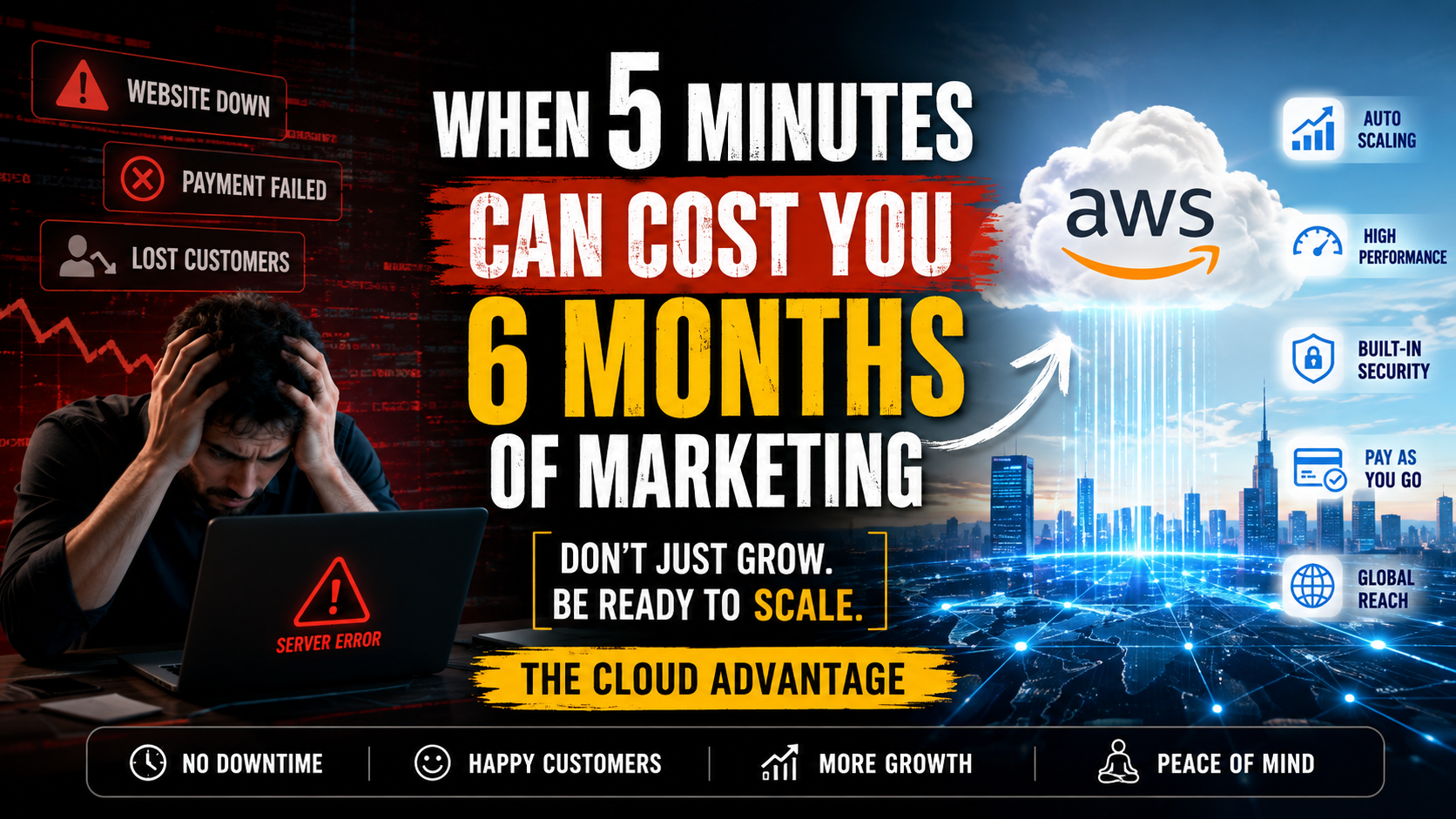
It's Monday morning. Your website is flooded with visitors because one of your products just went viral. Orders are pouring in, customers are signing up, and your marketing team is celebrating.
Then suddenly...
Your servers crash.
Customers can't check out. Sales stop. Your support team is overwhelmed.
Now imagine the same situation, but this time your infrastructure automatically scales in seconds. No downtime. No panic. No lost revenue.
That's the power of cloud computing.
Why Every Business is Moving to the Cloud
A few years ago, companies bought expensive servers, rented data centers, and hired teams just to maintain hardware.
Today?
Businesses want speed, flexibility, and the freedom to grow without worrying about infrastructure.
Cloud computing has changed the game by allowing organizations to:
- Launch applications in minutes instead of weeks
- Scale automatically during traffic spikes
- Pay only for what they actually use
- Access systems securely from anywhere
- Recover quickly from unexpected failures
Cloud isn't just about technology anymore—it's about business growth.
Why AWS Leads the Cloud Revolution
Amazon Web Services (AWS) powers millions of businesses worldwide, from startups building their first product to global enterprises serving millions of users every day.
What makes AWS different?
1. Scale Without Limits
Whether you're serving 100 users or 100 million, AWS grows with your business.
No expensive hardware upgrades.
No lengthy procurement cycles.
Just scale when you need it.
2. Security Built In
Cybersecurity is no longer optional.
AWS offers encryption, identity management, monitoring, compliance tools, and multiple layers of protection to keep business-critical data secure.
3. Global Reach
Need to launch your application in multiple countries?
AWS operates data centers across the globe, helping businesses deliver faster experiences to customers wherever they are.
4. Cost Optimization
One of the biggest myths about cloud is that it's expensive.
In reality, many businesses reduce infrastructure costs because AWS follows a pay-as-you-go model.
You pay for what you use—not what you might use someday.
The AWS Services Every Business Should Know
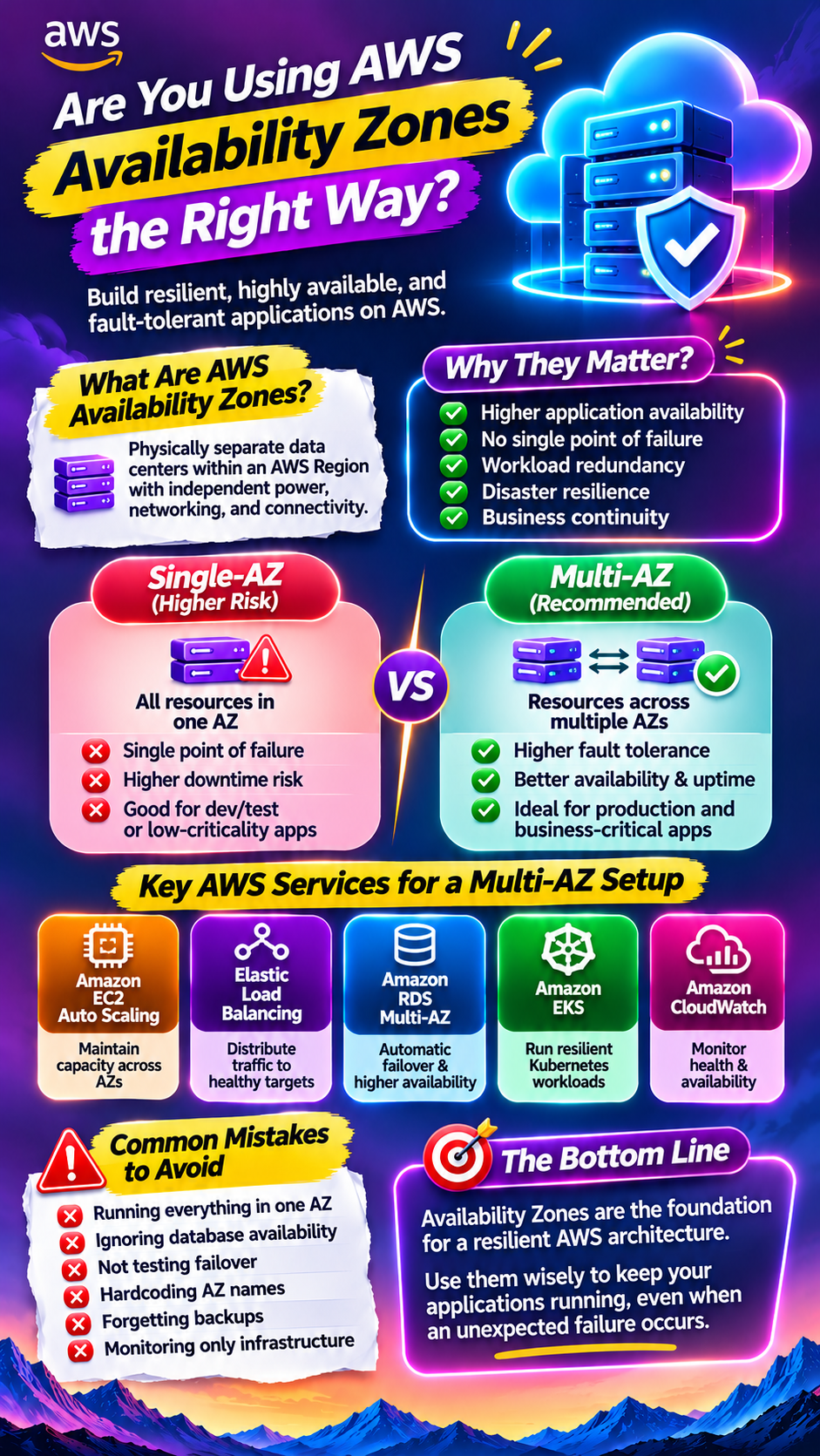
Amazon EC2
Virtual servers that let you run applications without managing physical hardware.
Amazon S3
Secure cloud storage for documents, images, backups, videos, and business data.
AWS Lambda
Run code automatically without managing servers. Perfect for event-driven applications.
Amazon RDS
Managed databases that reduce maintenance and improve reliability.
Amazon CloudWatch
Monitor applications, infrastructure, and performance in real time.
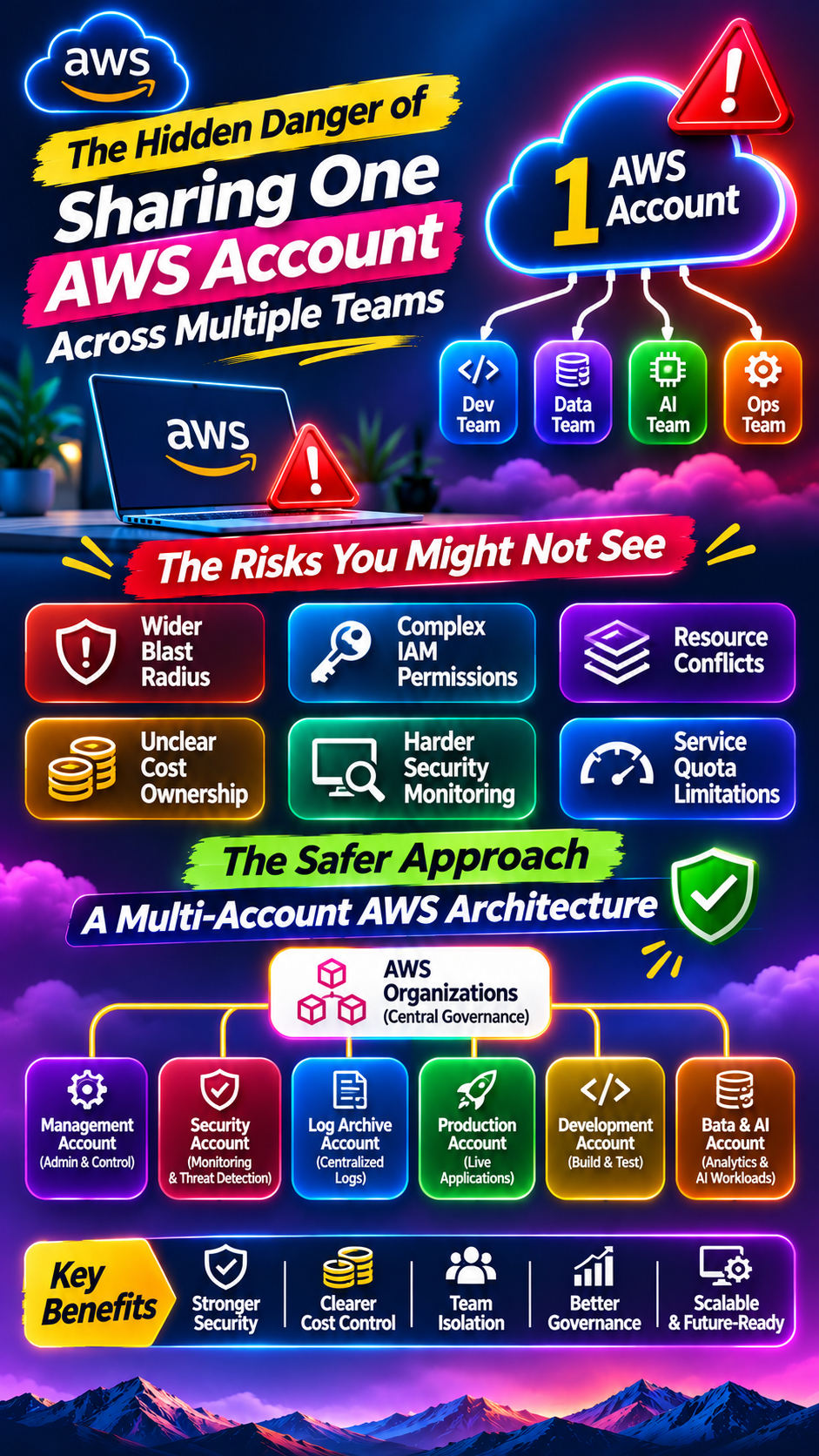
AWS IAM
Control who can access your cloud resources with secure identity and permission management.
Together, these services help businesses build reliable, scalable, and secure digital platforms.
Cloud Is More Than Infrastructure
Modern businesses use AWS for much more than hosting websites.
They build AI-powered applications.
Analyze customer behavior.
Automate workflows.
Create disaster recovery systems.
Run big data analytics.
Deploy applications globally with minimal effort.
Cloud has become the engine behind innovation.
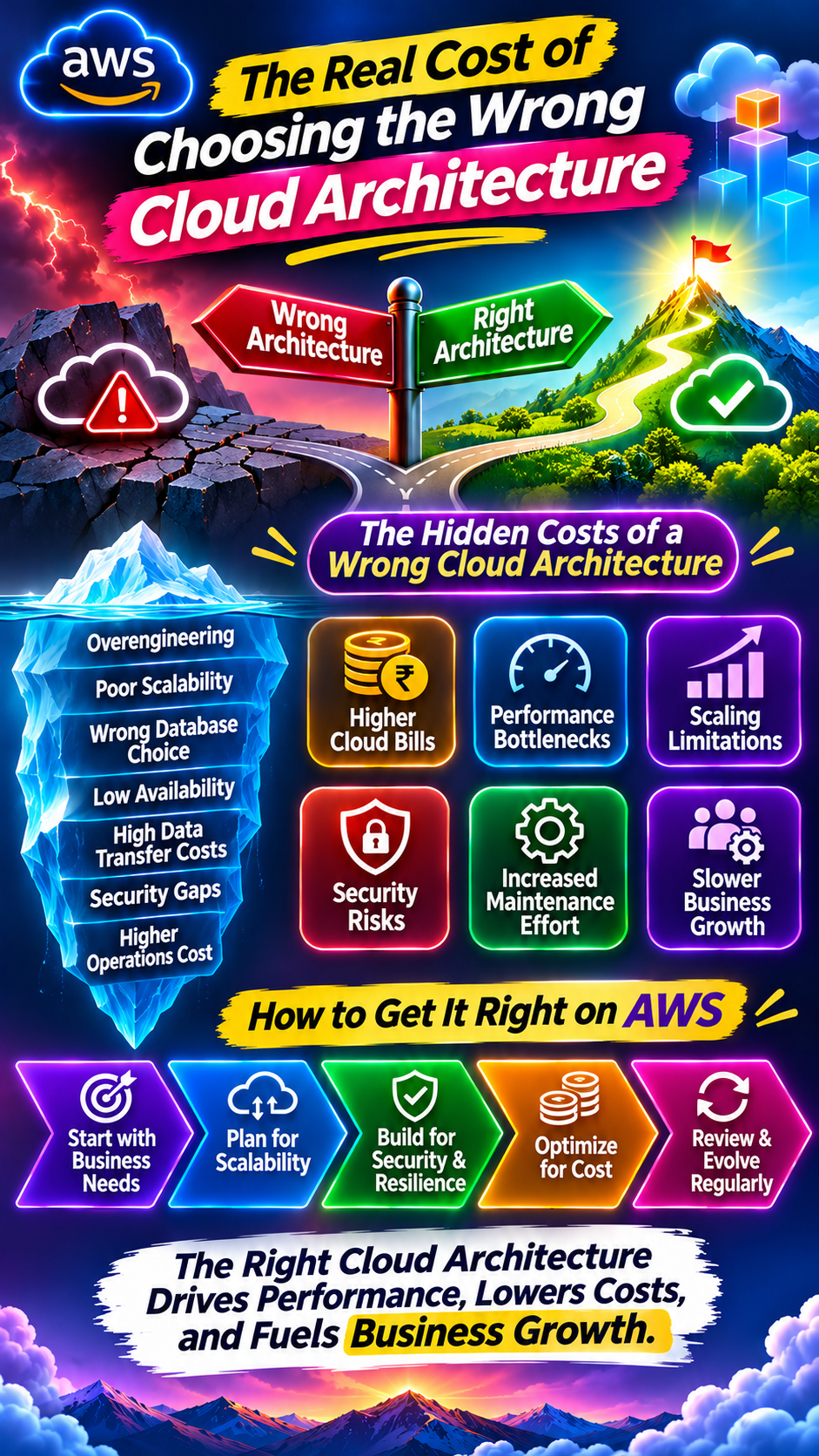
Common Mistakes Companies Make
Moving to the cloud doesn't automatically solve every problem.
Many organizations face challenges because they:
- Lift and shift without optimization
- Ignore cloud security best practices
- Overprovision resources
- Forget to monitor costs
- Lack a long-term cloud strategy
The technology is powerful—but success comes from using it wisely.
The Future Belongs to Cloud-First Businesses
Every industry is becoming digital.
Healthcare.
Finance.
Retail.
Education.
Manufacturing.
Logistics.
Companies that embrace cloud technology can innovate faster, respond to market changes more quickly, and deliver better customer experiences.
Those that don't risk falling behind.
Final Thoughts
Cloud computing isn't simply about moving servers to the internet.
It's about creating a business that's ready for tomorrow.
AWS provides the tools to build scalable applications, improve security, optimize costs, and innovate with confidence.
The question is no longer "Should we move to the cloud?"
The real question is:
"How much opportunity are we losing by waiting?"
Did you find this helpful?