AWS Cloud Services: Why Businesses That Move to the Cloud Grow Faster | Savishty
Your Business Doesn't Need More Servers. It Needs More Agility.
Imagine you're running an online business.
A festive sale is live, your marketing campaign is performing better than expected, and customers are visiting your website in record numbers.
This should be your best day.
Instead, your website slows down.
Orders fail.
Customers leave.
Your team scrambles to fix the problem while competitors happily welcome the customers you've just lost.
This isn't just an IT issue it's a business issue.
In today's digital economy, speed, reliability, and scalability directly impact revenue. That's why businesses across industries are investing in AWS Cloud Services to build resilient, future-ready infrastructure.
What Are AWS Cloud Services?
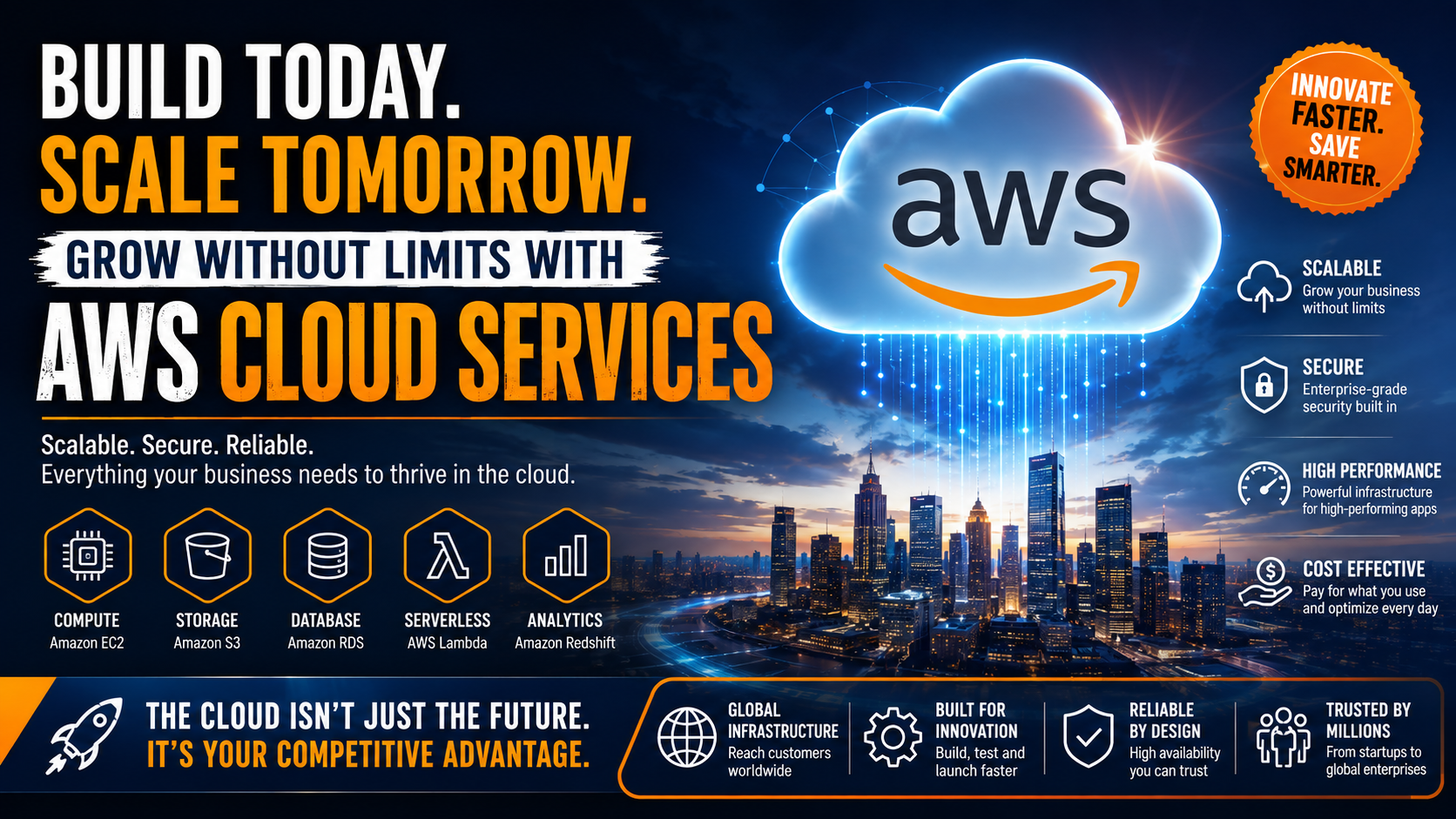
Amazon Web Services (AWS) is the world's leading cloud computing platform, offering more than 200 fully managed services that help businesses build applications, store data, run analytics, deploy artificial intelligence, and scale globally.
Instead of purchasing expensive physical servers, companies can access computing resources whenever they need them and pay only for what they use.
Whether you're a startup launching your first application or an enterprise managing millions of users, AWS provides the flexibility to grow without infrastructure limitations.
---
Why Businesses Are Choosing AWS Cloud Services
1. Scale Without Downtime
Customer demand rarely follows a predictable pattern.
A product launch, festival sale, or viral social media post can increase website traffic within minutes.
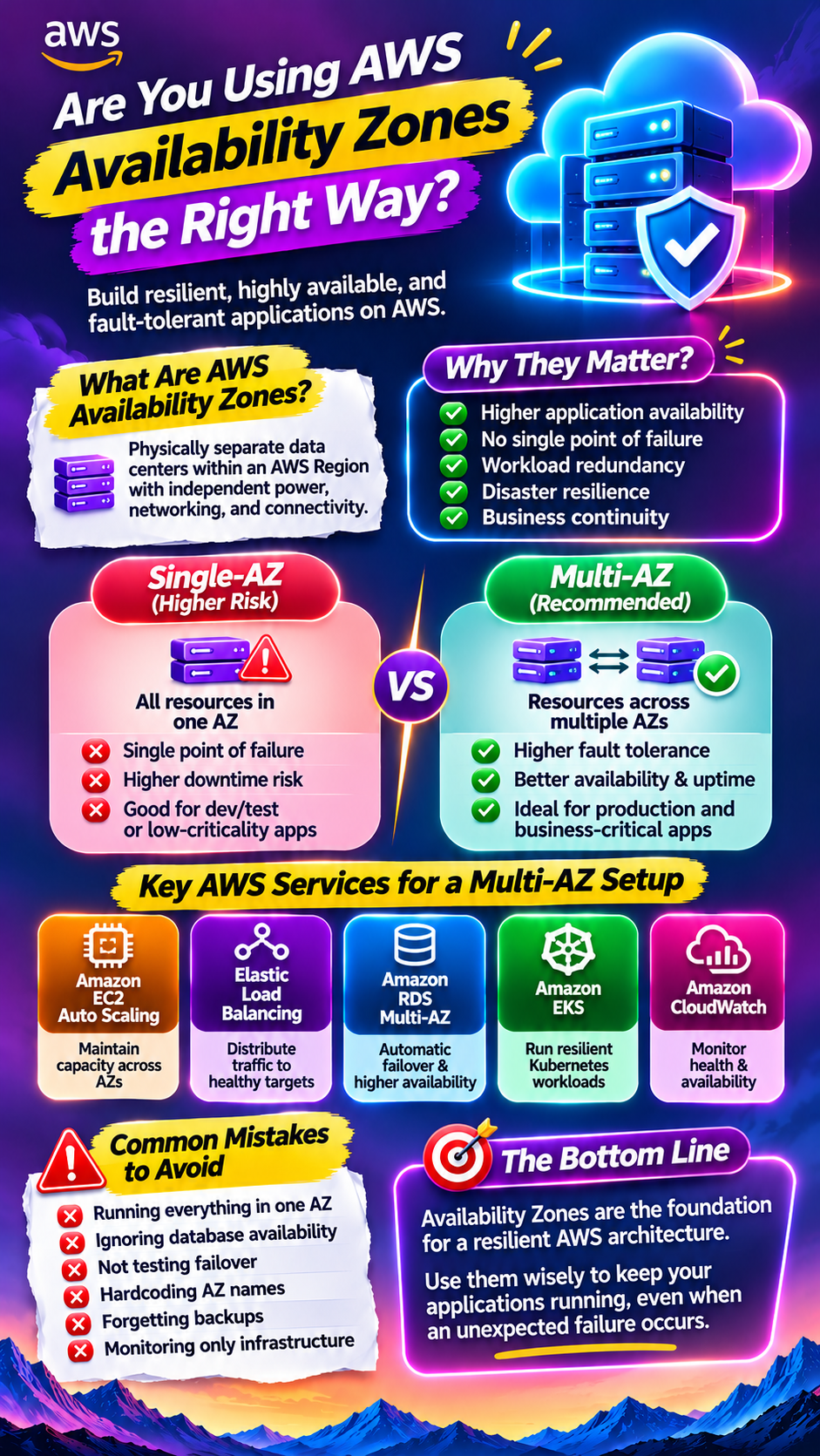
AWS automatically scales resources to handle changing workloads, ensuring applications remain fast and available even during unexpected traffic spikes.
More customers shouldn't mean more downtime.
2. Lower Infrastructure Costs
Traditional IT infrastructure requires businesses to invest heavily in servers, networking equipment, maintenance, and upgrades.
AWS changes this model completely.
With pay-as-you-go pricing, organizations only pay for the resources they actually consume.
This reduces capital expenditure while improving operational efficiency.
---
3. Enterprise-Level Security
Cyber threats continue to evolve every year.
AWS helps businesses protect sensitive information through advanced security services including:
- Identity and Access Management (IAM)
- Multi-Factor Authentication (MFA)
- End-to-End Encryption
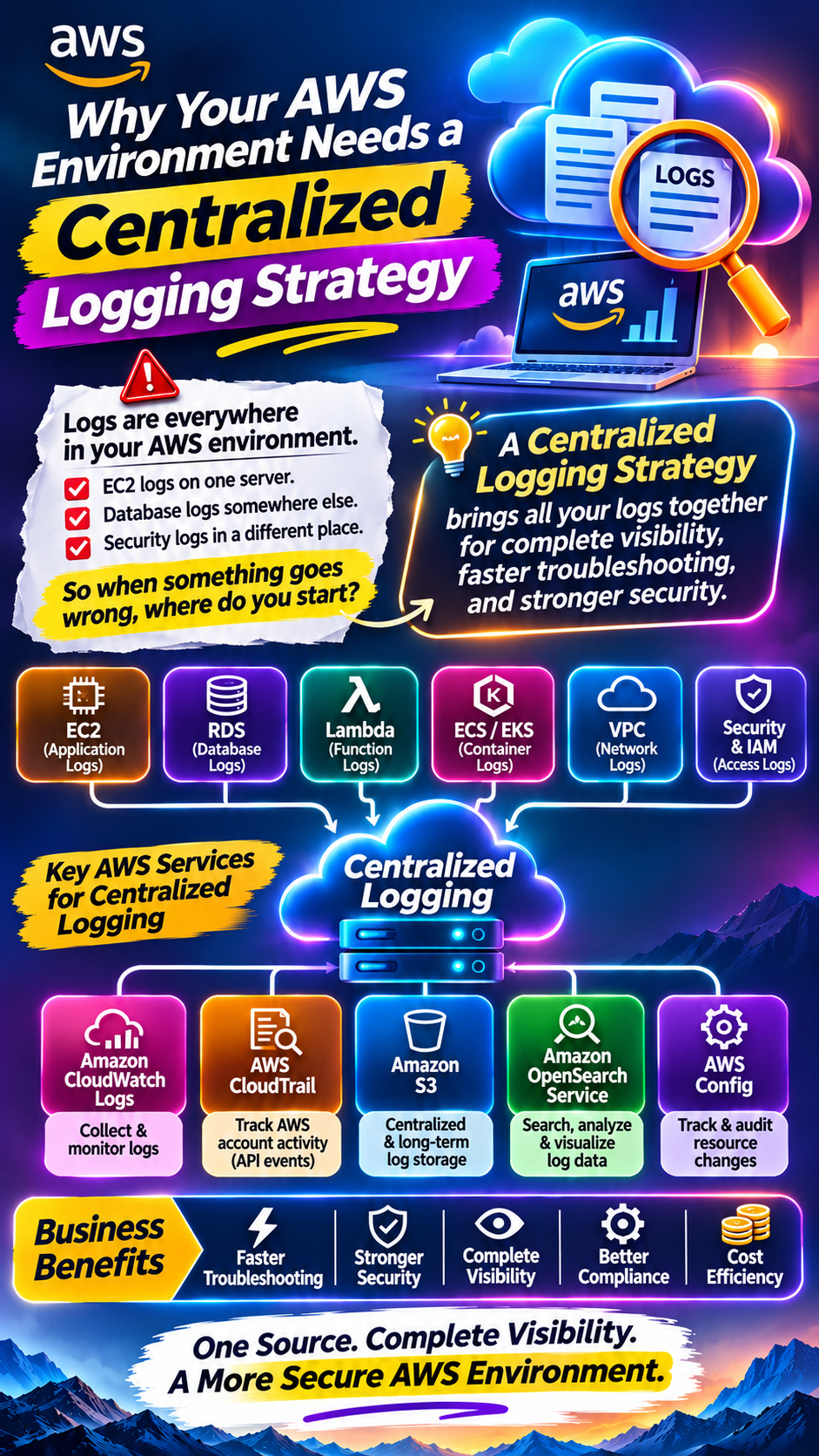
- Continuous Monitoring
- Compliance Certifications
- Automated Threat Detection
Security is built into the platform rather than added later.
---
4. Faster Application Deployment
Launching new products shouldn't take months.
AWS enables development teams to provision infrastructure in minutes instead of waiting for hardware procurement and manual configuration.
This allows businesses to innovate faster, test ideas quickly, and respond to market opportunities before competitors.
---
Essential AWS Services Every Business Should Know
Amazon EC2
Virtual servers that provide secure and scalable computing capacity for hosting applications.
Amazon S3
Reliable cloud storage designed for backups, media files, business documents, and data archives.
Amazon RDS
Managed databases that reduce administrative overhead while improving performance and availability.
AWS Lambda
Run applications without managing servers, making development faster and more cost-effective.
Amazon CloudWatch
Monitor system health, application performance, and infrastructure in real time.
Amazon VPC
Create isolated and secure cloud networks for enterprise workloads.
Industries Using AWS Cloud Services
Cloud computing is no longer limited to technology companies.
Today, AWS supports organizations across multiple industries, including:
- Healthcare
- Banking and Financial Services
- E-commerce
- Manufacturing
- Education
- Logistics
- Media and Entertainment
- Government
Every industry relies on cloud technology to improve efficiency, reduce costs, and deliver better customer experiences.
---
Common Challenges Businesses Face During Cloud Migration
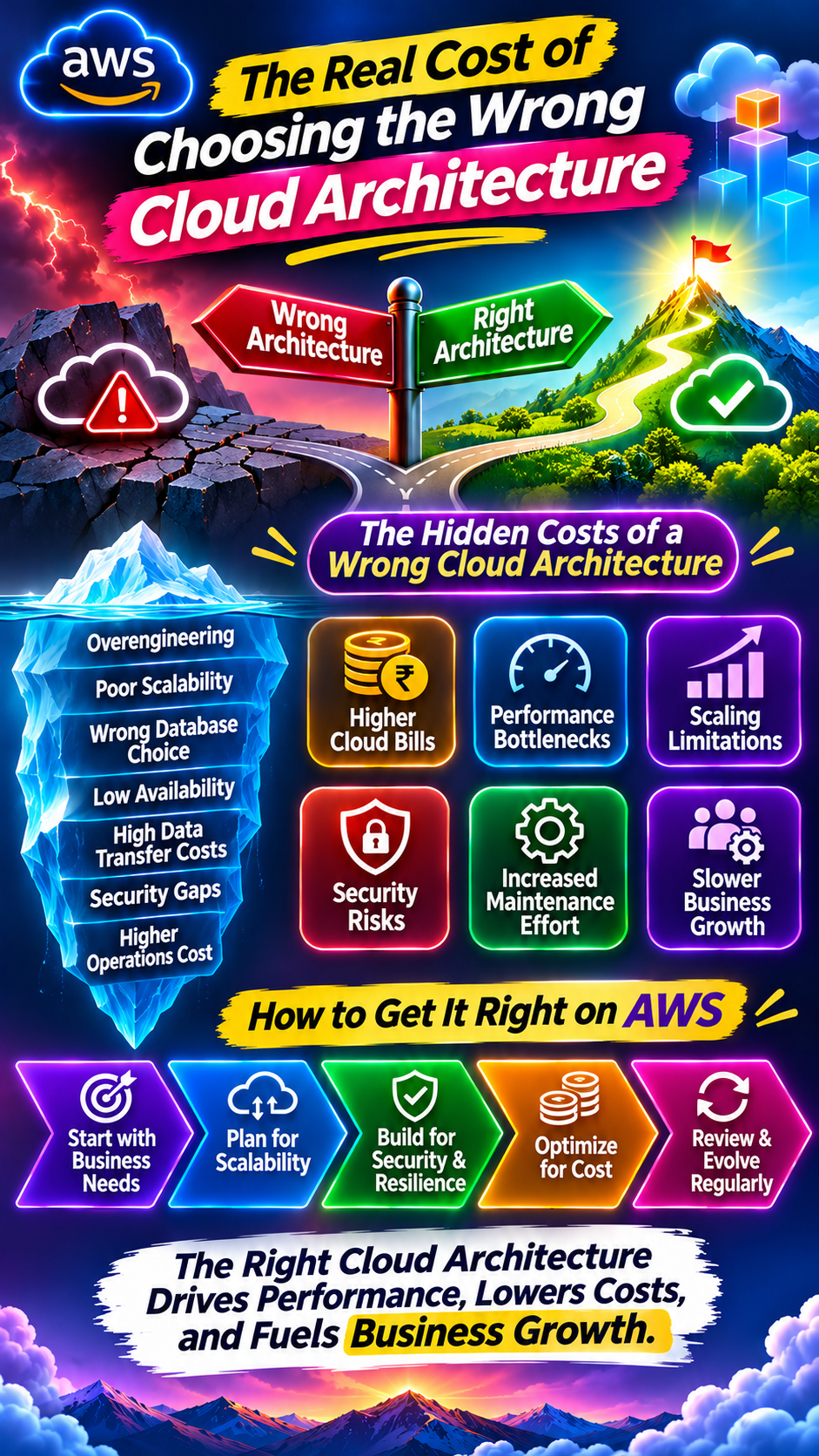
Moving to the cloud offers significant advantages, but success depends on proper planning.
Common mistakes include:
- Migrating applications without optimization
- Ignoring cloud security best practices
- Lack of cost monitoring
- Poor backup strategies
- Inadequate employee training
A well-planned migration strategy helps businesses maximize cloud performance while avoiding unnecessary risks.
How AWS Supports Digital Transformation
Digital transformation isn't just about adopting new technology.
It's about creating better business outcomes.
AWS enables organizations to:
- Build AI-powered applications
- Analyze customer data in real time
- Improve disaster recovery
- Automate repetitive business processes
- Expand into global markets
- Increase operational efficiency
Businesses that embrace cloud technology are better positioned to adapt to changing customer expectations and market demands.
The Future Is Cloud-First
Technology continues to evolve at an incredible pace.
Organizations that rely solely on traditional infrastructure often struggle to keep up with changing business requirements.
Cloud-first businesses can launch products faster, scale effortlessly, strengthen cybersecurity, and innovate continuously.
The cloud is no longer just an IT decision it's a strategic business investment.
Final Thoughts
Success in today's digital world depends on how quickly businesses can adapt.
AWS Cloud Services provide the flexibility, security, and scalability needed to support long-term growth while reducing infrastructure complexity.
Whether you're planning your first cloud migration or optimizing an existing environment, investing in AWS can help your business become more resilient, efficient, and future-ready.
The question isn't whether cloud computing is the future.
The future is already here.
The real question is whether your business is ready for it.
Did you find this helpful?