How AWS Managed Services Simplify Cloud Hiring for Modern Businesses | Savishty
Introduction
Managing cloud infrastructure can be overwhelming—security, patching, scaling, compliance, uptime. That's where AWS Managed Services (AMS) comes in. But even with AWS handling the backend, you still need expert talent to oversee, customize, and optimize your environment.
Here's how AWS Managed Services + smart recruitment together make cloud transformation seamless.
What Are AWS Managed Services (AMS)?
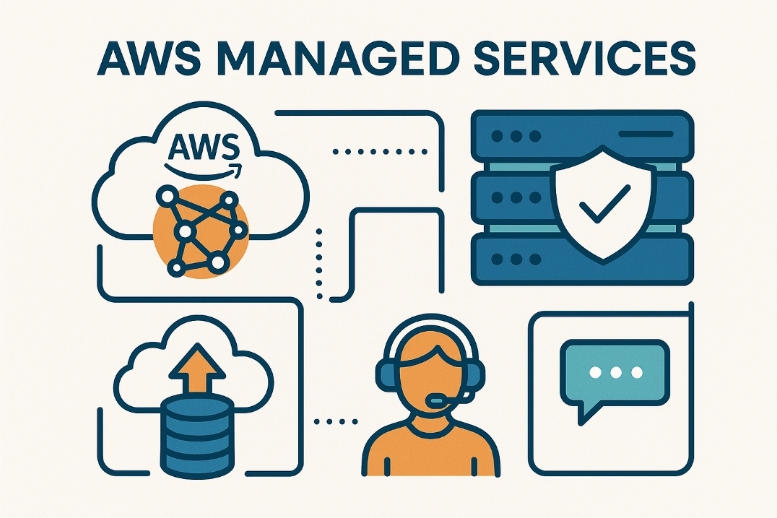
AMS is a set of services by Amazon that manages day-to-day infrastructure operations like patching, backup, monitoring, and security. Think of it as a semi-outsourced DevOps team backed by AWS best practices.
Why Hiring for AWS Is Hard in 2025
There's a huge demand for cloud engineers, but not enough certified talent.
Hiring wrong or under-skilled cloud engineers leads to downtime and high AWS bills.
Salaries are rising, and the time to hire for these roles is long.
How AWS Managed Services + Recruitment Helps:
1. Lower In-House Hiring Pressure
Let AWS manage 60–70% of the infrastructure. You can then hire only critical experts (like architects or FinOps specialists) instead of building a full DevOps team.
2. Faster Cloud Rollouts
Recruiters specialized in AWS roles can help you onboard talent within 2 weeks vs. months of search via job boards.
3. Security & Compliance Peace of Mind
With AMS handling security + certified talent managing compliance audits and automation, your cloud stays secure and audit-ready.
4. Access to Pre-vetted Talent
Work with partners who maintain a ready bench of AWS-certified professionals. You'll save time and reduce hiring costs.
5. Better Cost Optimization
Combine AMS + cloud cost experts from a recruitment partner to optimize usage (e.g., Reserved Instances, autoscaling, S3 lifecycle policies).
Conclusion
Managed Services and strategic hiring go hand-in-hand. Businesses can reduce their AWS burden while still maintaining flexibility and agility through the right people. For any business moving to the cloud in 2025, this combination is the winning formula.
Did you find this helpful?